
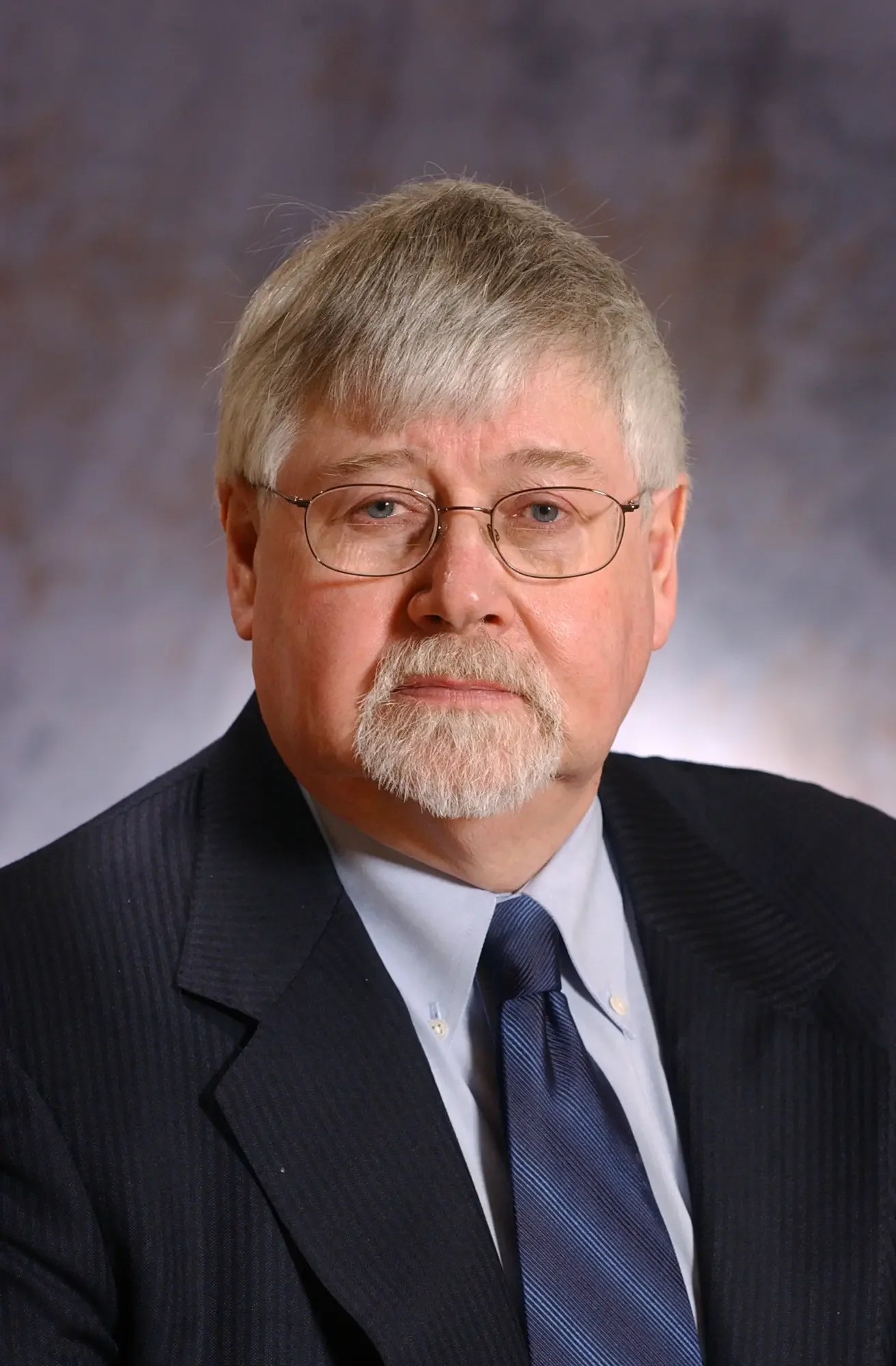
David Dolphin
"A world-renowned architect of molecular science and the innovator behind Visudyne. Driven by a profound calling to global mentorship, Dr. Dolphin’s legacy is a lifelong commitment to scientific excellence and fostering the next generation of pioneers."
“My creation of Verteporfin saved the vision of millions worldwide. The possible future of Verteporfin, in the treatment of fibrosis, could be monumental.”
or Edited
Research Papers
Granted
(Visudyne)
A Vocation in Molecular Science
Beginnings of a Visionary
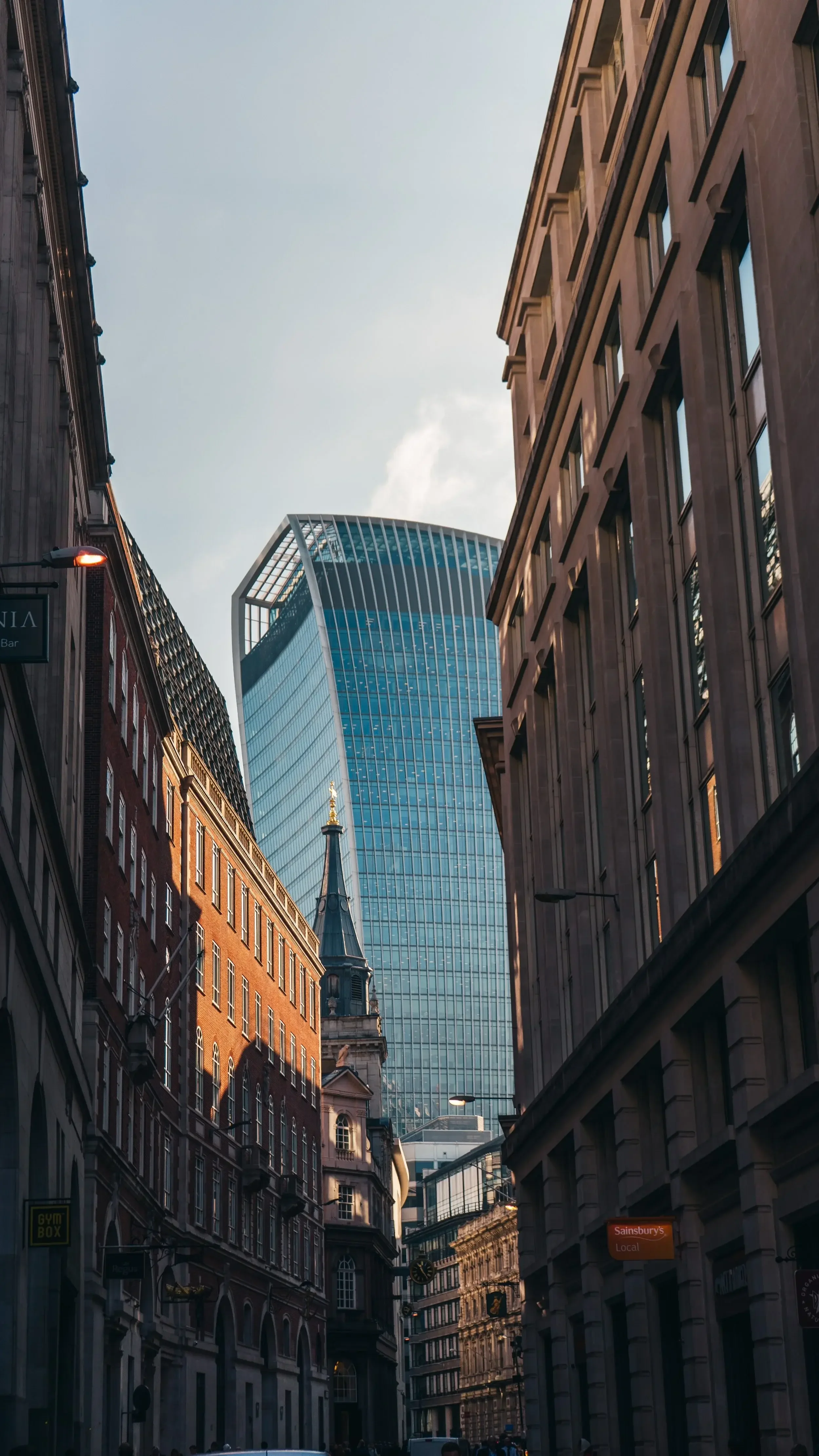
Born in 1940 on Mile End Road in the heart of London's East End, David Dolphin grew up a true Cockney — a son of a city still ringing with the echoes of war. From those modest terraced streets emerged a singular intellect: at Hackney Downs Grammar School he was appointed Head Boy.
Academic Ascent & Harvard
After taking First Class Honours in 1962 and marrying Dorothy Manning in 1963, Dolphin's path led him to Harvard. At just twenty-six, he was appointed Professor, working on the "Pigments of Life"—heme, chlorophyll, and vitamin B12.
The UBC Era & Visudyne
In 1975, Dr. Dolphin moved to UBC, serving as Vice-President, Research. His work led to Visudyne—the first effective treatment for wet AMD, approved in 72 countries. The boy from Mile End had given the world back its sight.
Legacy, Books & Patents
With 19 books, 400+ papers, and 260+ patents, Dr. Dolphin's record is unparalleled. Yet he considers his students his truest legacy—extending his reach far beyond the lecture hall.

Stories from the Memoir
How a summer job became a career
The vicar of his church — also the scoutmaster — sat on the board of a small chemical firm: W. J. Bush & Company. If it smelled or tasted good, they probably made or sold it.
Over seven consecutive summers Dolphin learned to identify hundreds of organic compounds by their smell alone — a discipline of the senses that would later set him apart in every laboratory he entered.
“By the time I started my undergraduate studies I was more competent at the bench than most graduate students.”
Six weeks across Quebec & Ontario
Forty young men sailed from Liverpool on August 13, 1958. They were received by mayors and senior VIPs in every city, and spent a few days at a summer camp in Ontario — where Dolphin tasted blueberry pie for the first time.
They returned home on the Cunard Carinthia late in September, eyes opened to the vastness of the new world.
“Never once, during the trip, did I suspect that I would spend most of my adult life in Canada.”
Frozen windows & the mathematicians
Assigned to a freezing top-floor room where ice formed on the inside of the windows. The maths department insisted he study with the mathematicians; he came out of every lecture "punch-drunk."
A failing grade in the end-of-term maths exam turned out to place him in the top 10% of the class. The bar was simply that high.
“Anybody who could answer even one question correctly was, in the eyes of the math department, a good mathematician.”
Professor Alan Johnson's bet
Dolphin recognized unknown compounds instantly by their odour. The head of department, Alan Johnson, produced a white, odourless sample to "fix" him. Dolphin identified it as hydrazine hydrochloride within thirty minutes.
He was promptly invited to spend the rest of the year in Johnson's research group, skipping the standard undergraduate rotations.
“You're wasting your time in the undergraduate lab.”
The Slade, the Big Freeze, and Italy
Through the Big Freeze of 1962-3, Dolphin rode his motorbike from Nottingham to London every weekend to see Dorothy Manning. They were married in the summer of 1963.
Dorothy had won a scholarship for Italy: a month as a princess, or a year as a student. They chose the year, honeymooning in Rome, Florence and the medieval hill-towns.
“She could spend a month as a princess — or a year as a student. We chose the year.”
“Get a good education and find a job, or challenge, where you can make a difference and where you’re smarter than AI. The Foundation exists to make that possible.”