
Distinguished Members
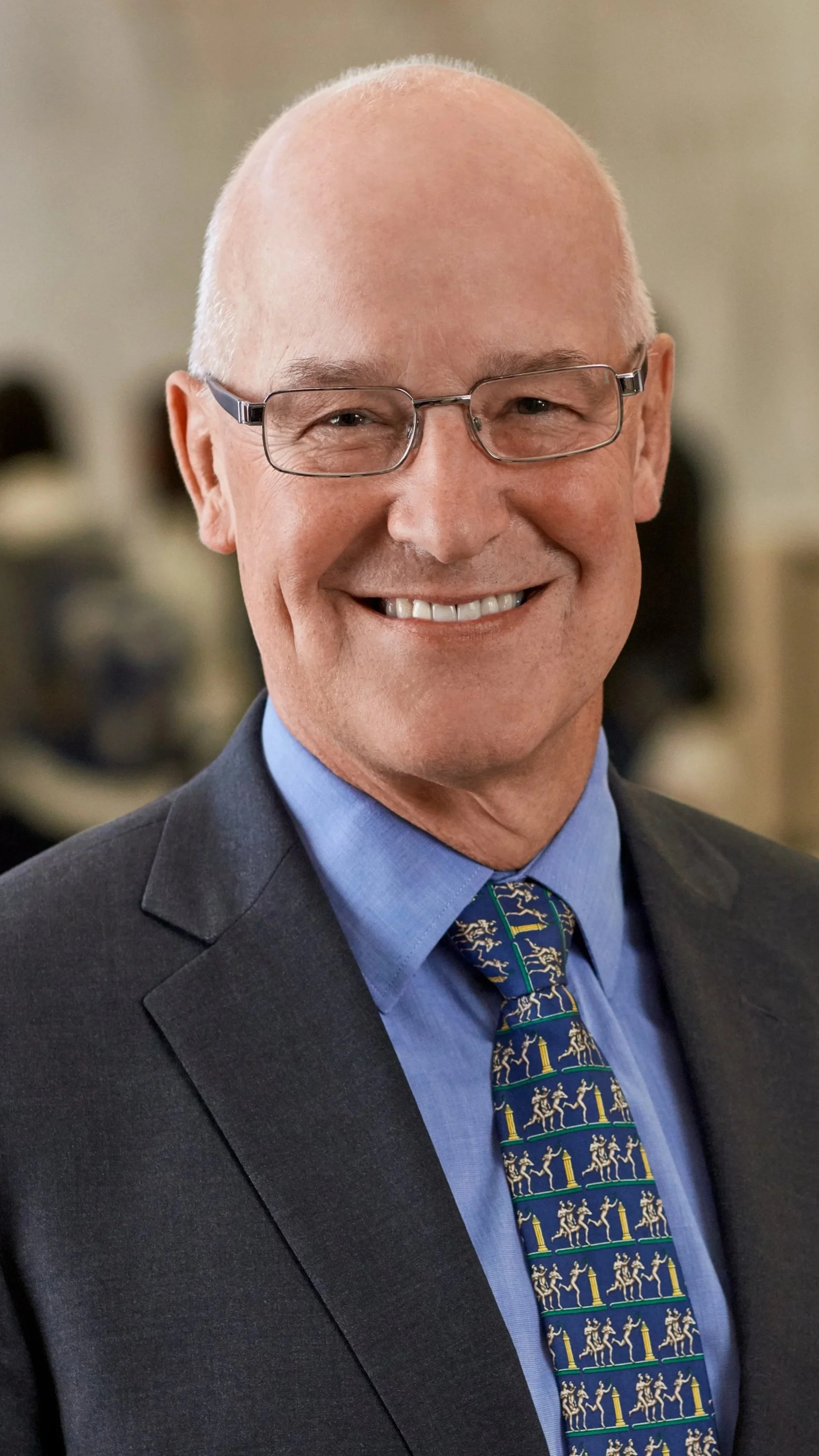
Andrew Hamilton
Read Full Biography
Andrew Hamilton is a chemist whose research at the interface of organic, biological, and medicinal chemistry has shaped a generation of work on molecular recognition, protein–protein interactions, and the design of synthetic agents directed at human disease.
BackgroundEducated at the University of Exeter, he received an MSc from the University of British Columbia and a PhD from the University of Cambridge. He served as Vice-Chancellor of the University of Oxford (2009–2015) and thereafter as President of New York University.
He was elected a Fellow of the Royal Society in 2004. His connection to UBC gives his service to this Foundation a particular resonance.
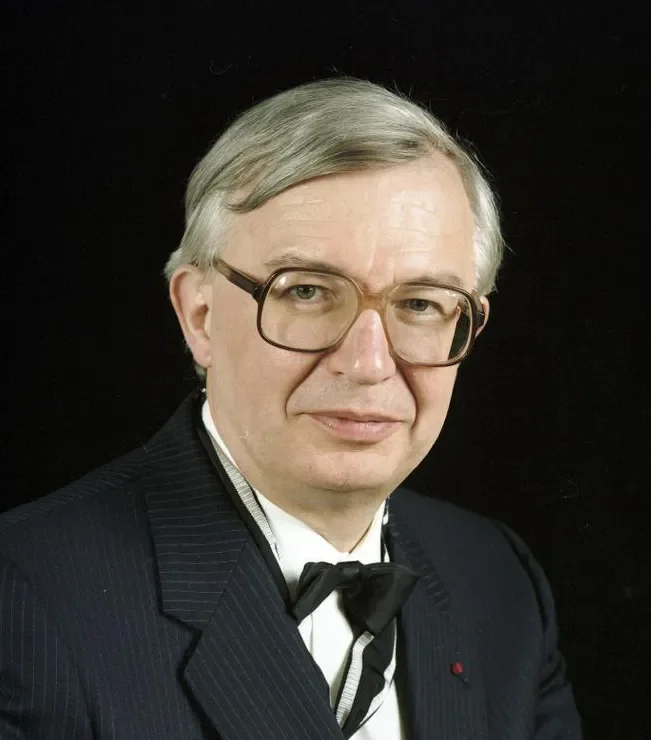
Jean-Marie Lehn
Read Full Biography
Awarded the Nobel Prize in Chemistry in 1987, Jean-Marie Lehn is recognised as the founder of supramolecular chemistry—a discipline that has reshaped our understanding of how matter organises itself beyond the single molecule.
InstitutionsEducated at the Université de Strasbourg, he completed postdoctoral work at Harvard with Robert Burns Woodward. He founded ISIS in Strasbourg and has held a chair at the Collège de France since 1979.
His work continues to extend the frontier of adaptive chemistry, with implications for materials science and drug discovery.
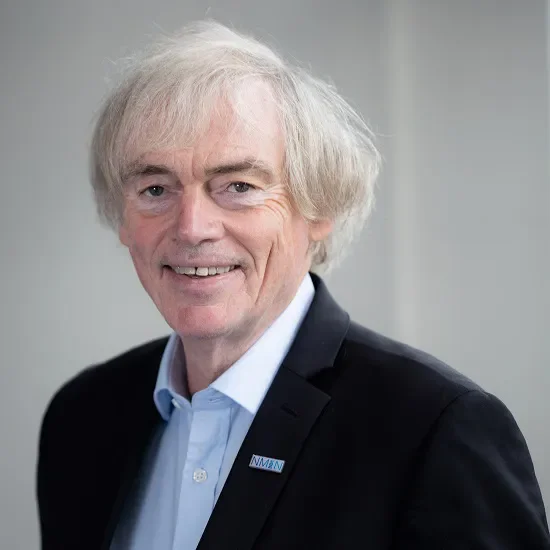
Pieter Cullis
Read Full Biography
Pieter Cullis is one of the world's foremost authorities on lipid nanoparticle (LNP) technology. His foundational advances enabled the delivery systems that made mRNA COVID-19 vaccines possible.
EnterpriseA graduate of UBC with training at Oxford and Utrecht, Professor Cullis has co-founded eleven biotechnology companies—including Acuitas Therapeutics. He is the founding Scientific Director of the NanoMedicines Innovation Network.
With over 400 publications and 100 patents, he exemplifies the translational mission of advancing science from the laboratory to the industry.
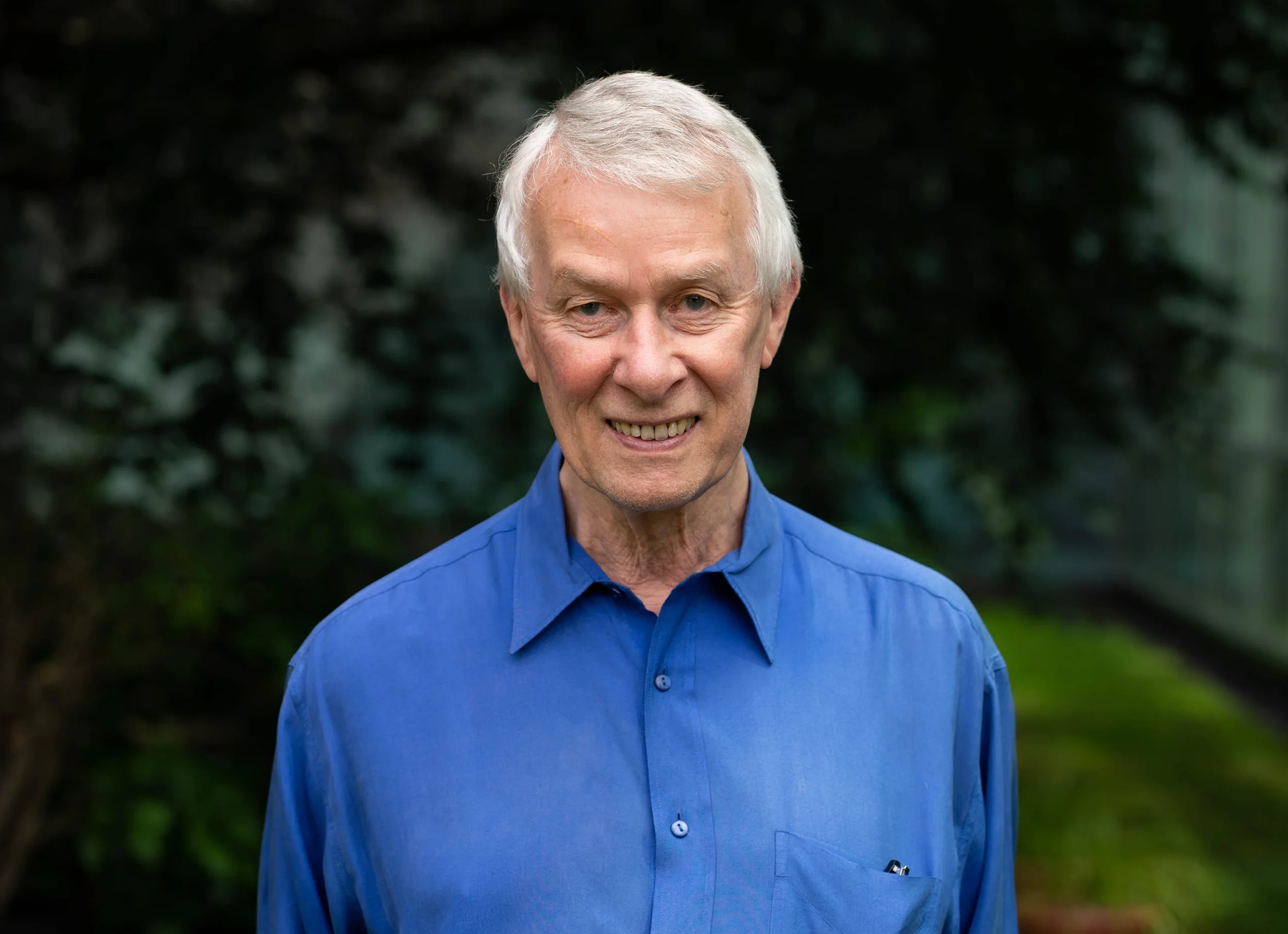
Sir Richard J. Roberts
Read Full Biography
Awarded the 1993 Nobel Prize for the discovery of split genes and mRNA splicing—a landmark finding that redefined the structure of eukaryotic genes and opened new chapters in genetics and evolution.
LegacyAt Cold Spring Harbor, he led the discovery of over 100 restriction enzymes, indispensable tools of modern biotechnology. He was also a pioneer in bioinformatics, applying computational methods to DNA analysis in the 1970s.
He was knighted in 2008 and remains a global advocate for open access to scientific research.
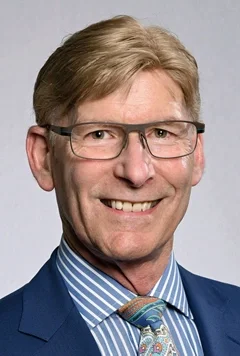
Richard B. Silverman
Read Full Biography
Richard B. Silverman is the inventor of pregabalin (Lyrica®), a medicine for epilepsy and neuropathic pain that stands among the most clinically successful CNS drugs ever developed.
ResearchHe holds the Patrick G. Ryan / Aon Professorship at Northwestern. His research focuses on enzyme inhibitors directed at neurodegenerative diseases like ALS and Alzheimer's.
He is a Member of the National Academy of Sciences and recipient of the Perkin Medal. His work exemplifies the translation of fundamental chemical insight into human benefit.
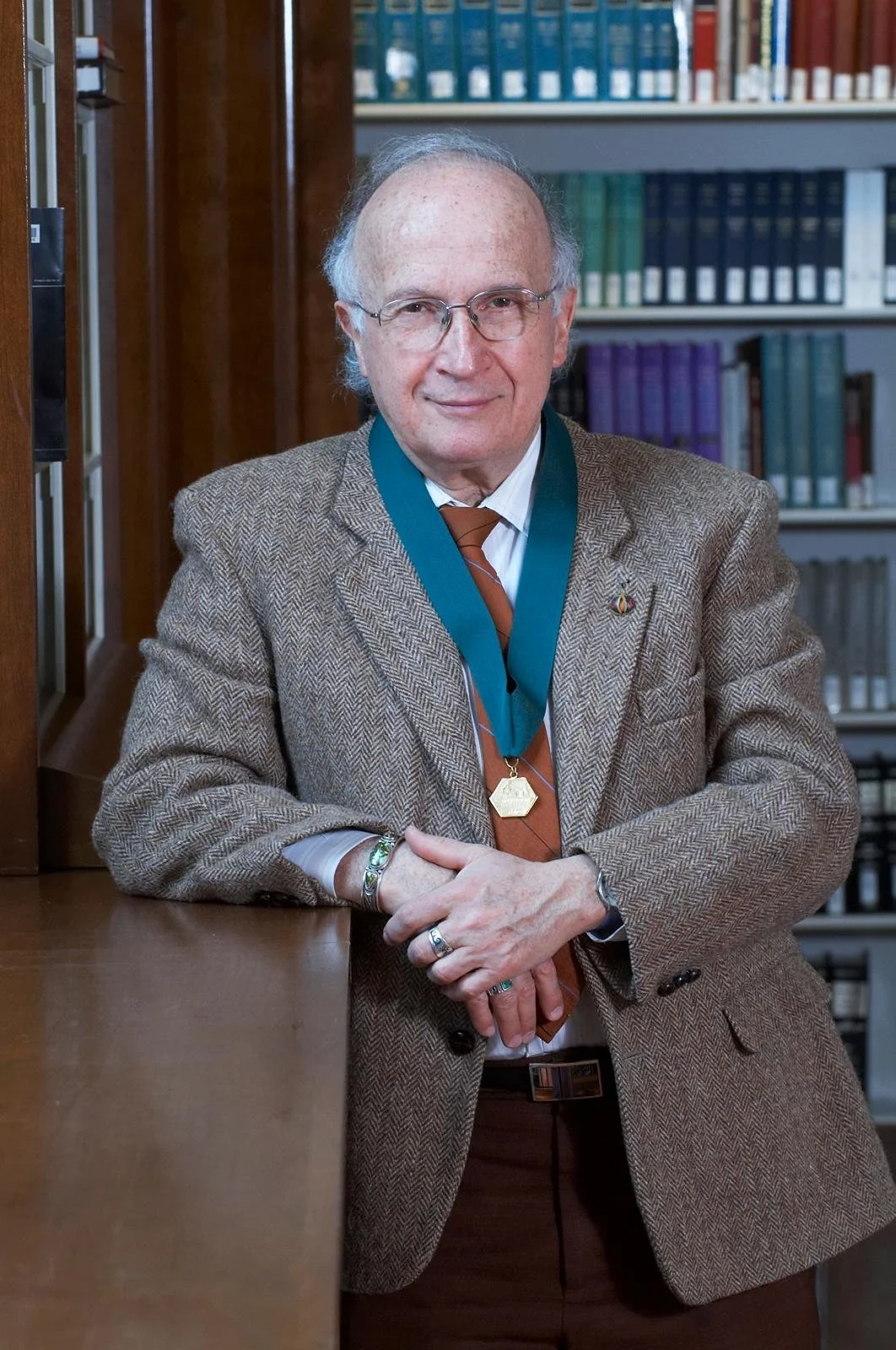
Roald Hoffmann
Read Full Biography
Roald Hoffmann shared the 1981 Nobel Prize in Chemistry for theories concerning the course of chemical reactions—work that produced the celebrated Woodward–Hoffmann rules.
HumanismA survivor of the Holocaust, he has been on the faculty of Cornell University for over 50 years. Beyond science, he is an accomplished poet and playwright, exploring the connections between science and ethics.
His career stands as a rare model of the scientist as humanist, influencing both the molecular and intellectual life of science.